Amerakin Overdose Expose Greed and Betrayal With the Relentless “Parasite”
Born from a bitter dispute that struck close to home, “Parasite” transforms frustration into an uncompromising industrial nu-metal assault. The Portland-based masked ensemble confronts exploitation, hypocrisy, and the calculated abuse of trust. Punishing riffs, confrontational vocals, and pounding rhythms amplify the song’s unfiltered anger. Its lyrics trace the moment when silence gives way to accountability and resistance. Accompanied by a striking visual presentation, “Parasite” delivers a message aimed at anyone who profits from the vulnerability of others.
When someone takes advantage of your hard work, breaks their promises, and assumes they can escape accountability, anger becomes more than an emotion. It becomes a demand to be heard. For masked industrial nu-metal outfit Amerakin Overdose, that confrontation fuels “Parasite,” a ferocious single and accompanying visual presentation born from a controversy surrounding a performance in the band’s home state of Oregon. Rather than disguising their frustration behind abstract imagery, the group channels the experience into an aggressive statement about exploitation, deception, and the determination to reclaim what has been taken.
The conflict stems from an August 8 performance in Salem, Oregon, where the band alleges that the promoter failed to pay the participating artists what they were owed. Following the incident, the dispute attracted local media attention, and other performers reportedly came forward with similar complaints. Allegations of unpaid compensation exceeding $200,000 emerged, while the promoters were subsequently dismissed from their association with the venue amid substantial unpaid rent. The situation exposed concerns extending beyond one band’s experience, raising broader questions about accountability and the financial vulnerability of musicians who depend on promoters to honor their commitments.
For Amerakin Overdose, “Parasite” became a way to address that experience directly while giving its underlying message a wider reach. As vocalist Cody Perez explains, the song targets predators who take everything they can from others, leaving damage in their wake. Its central message is about recognizing toxic behavior, reclaiming personal power, severing destructive connections, and refusing to let exploitation continue unchecked.
That sense of confrontation is embedded in the lyrics from the opening declaration. The refusal to remain silent establishes the track’s emotional foundation, turning the act of speaking out into a form of resistance. The narrator is no longer prepared to tolerate dismissal or allow another party to control the narrative. The repeated insistence on making noise carries particular weight in the context of the band’s experience, where public exposure became a means of challenging alleged misconduct.
The song’s anger, however, extends beyond the immediate grievance. Its accusations of hypocrisy, arrogance, and deliberate ignorance describe someone whose outward presentation conceals a more troubling reality. The repeated questioning of the antagonist’s judgment suggests disbelief at the audacity of someone who behaves as though their actions have no consequences. By stripping away the pretenses surrounding that behavior, “Parasite” turns the conflict into a broader indictment of people who demand trust while refusing to demonstrate integrity.
The chorus sharpens that argument through its imagery of lies, disguises, and parasitic behavior. A parasite survives by drawing sustenance from another organism, making the metaphor particularly effective when applied to someone who benefits from other people’s labor without honoring their obligations. The accusation is not simply that the antagonist has behaved badly, but that exploitation has become fundamental to their character. The insistence that their true nature is finally being exposed gives the chorus its defining sense of revelation. What was once concealed can no longer hide behind a manufactured image.
Another important element is the distinction between anger and agency. The lyrics are deliberately abrasive, packed with profanity and direct challenges that leave little room for polite interpretation. Yet beneath their hostility lies a recognizable progression: the narrator identifies the abuse, rejects the excuses, confronts the offender, and demands an end to the relationship. The song does not suggest that recovering from exploitation is effortless. Instead, it captures the decisive moment when tolerating the situation becomes more unbearable than confronting it.
The recurring burial imagery pushes that determination toward an especially dark conclusion. Its shovel references evoke the permanent removal of something that has become intolerable, reinforcing the desire to eliminate the antagonist’s influence rather than simply express temporary displeasure. In the context of the song, the imagery is metaphorical, representing the severing of a destructive connection and the refusal to let the same behavior continue. Its blunt repetition also gives the track a memorable, almost ritualistic quality, as though the narrator is hammering home a verdict that will not be reconsidered.
Musically, Amerakin Overdose have the sonic vocabulary to match that uncompromising outlook. Emerging from Portland, Oregon, the band fuse industrial textures and nu-metal aggression into a sound built around punishing riffs, groove-driven rhythms, electronic elements, and forceful vocal performances. The influence of Korn, Slipknot, and Mudvayne can be understood within that broader collision of rhythmic heaviness, abrasive intensity, and theatrical confrontation. Rather than treating aggression as decoration, the group use it to reinforce the emotional pressure at the heart of their material.
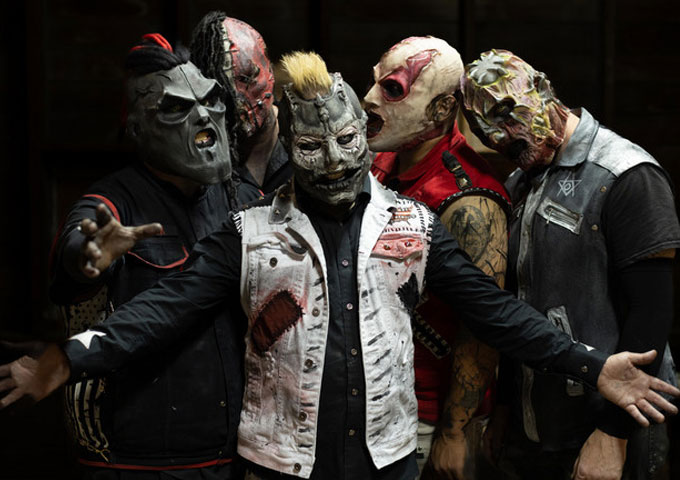
The band’s masked personas further strengthen that presentation. Their deliberately distorted characters embody vanity, greed, and cultural decay, creating a visual identity that complements music concerned with corruption and excess. The visual presentation accompanying “Parasite” extends this approach, giving the single an additional dimension through which its themes of deception, exposure, and resistance can resonate. The combination of theatrical imagery and personal grievance makes the track feel less like a detached exercise in hostility and more like a public declaration of intent.
With three studio albums behind them, extensive touring across the United States, and performances alongside Korn, Godsmack, Disturbed, Five Finger Death Punch, Chevelle, Shinedown, Lacuna Coil, Avatar, All That Remains, and Slaughter to Prevail, Amerakin Overdose have developed their identity through both musical force and high-impact live performance. Their appearances at Rock Fest, Vans Warped Tour, The Gathering of the Juggalos, and Jamey Jasta’s Milwaukee Metalfest further reflect their place within the heavy music circuit.
Ultimately, “Parasite” is driven by a straightforward conviction: exploitation should not be met with endless silence, and trust should never be mistaken for permission to take advantage of someone. The song’s fury is personal, but its underlying message reaches anyone who has watched another person profit from their effort while evading responsibility. Amerakin Overdose turn that frustration into a blunt, combustible declaration, pairing an accusatory lyrical narrative with the industrial weight and theatrical intensity that define their sound. With its accompanying visual presentation amplifying the confrontation, “Parasite” stands as both a response to a specific dispute and a warning to those who mistake other people’s patience for weakness.
OFFICIAL LINKS: FACEBOOK – X – BANDCAMP – SPOTIFY – INSTAGRAM – YOUTUBE – TIKTOK